.webp)
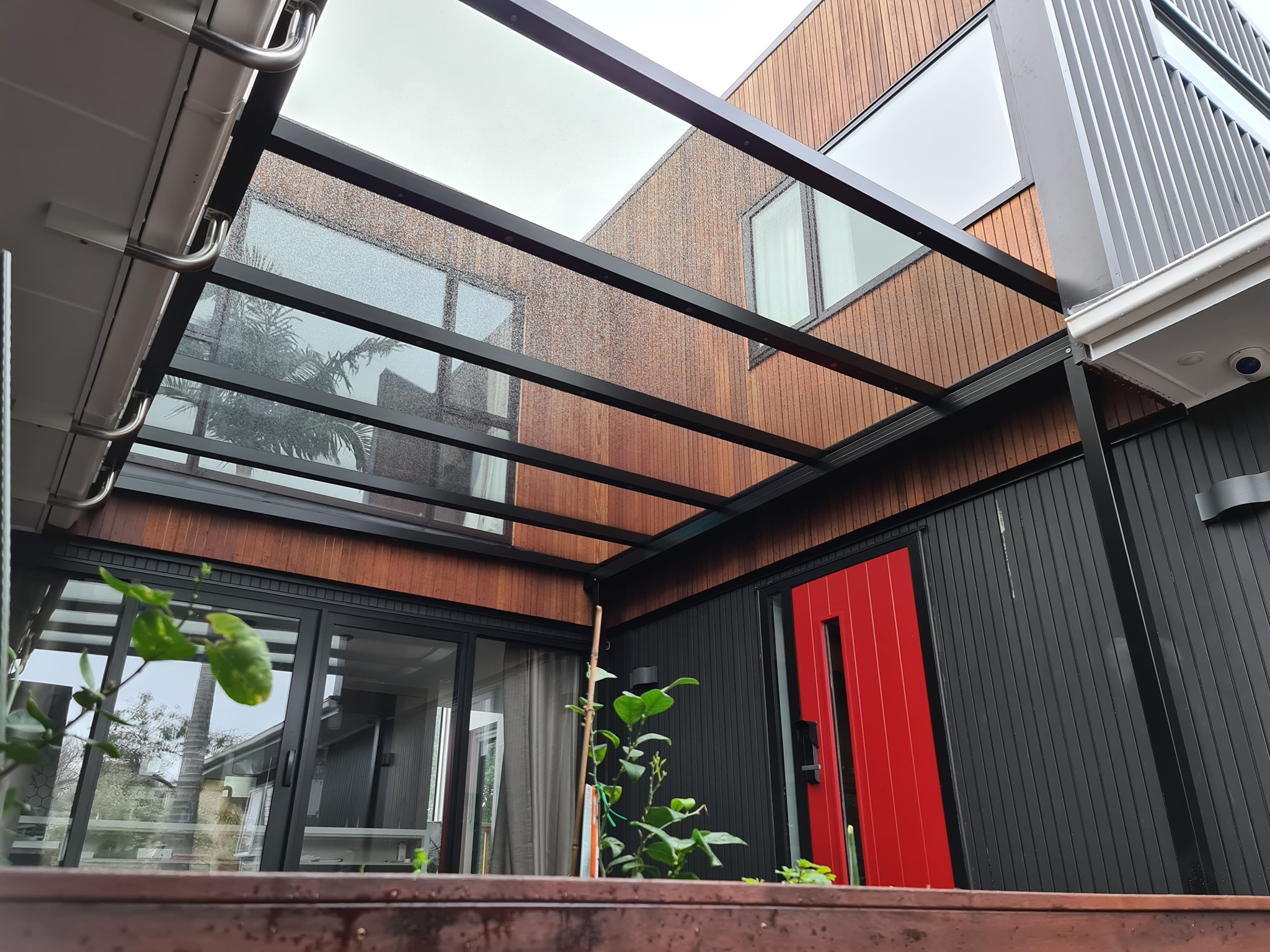
The hidden cost of an outdoor space that only works when the weather does.
Walk outside on a Saturday morning with a coffee in hand.
The air is cool, the birds are busy, and the sun is just beginning to warm the deck. It's peaceful. Comfortable. Exactly the sort of moment that reminds us why we wanted an outdoor space in the first place.
By lunchtime the nor'wester has arrived.
By mid-afternoon the sun is too intense to sit comfortably.
By dinner time the rain has started.
The deck hasn't changed.
The weather has.
Yet somehow the most inviting space in the house has become the least usable.
It's such a familiar experience that most of us simply accept it.
Perhaps we shouldn't.
We Measure the Wrong Things
When people plan an outdoor space, the conversation usually revolves around size, materials and budget.
Should it be timber or composite?
How large should the deck be?
Where should the barbecue go?
Do we need built-in seating?
They're all important questions.
But there's one question that rarely gets asked.
How often will we actually use this space?
It sounds almost too simple.
Yet it may be the single most important question of all.
Because an outdoor area isn't valuable simply because it exists.
It's valuable because it becomes part of everyday life.
The Outdoor Room
Think about the rooms inside your home.
Your kitchen isn't successful because it has expensive appliances.
Your lounge isn't successful because of the colour of the walls.
They're successful because they're used.
Every day.
Without thinking.
The best outdoor spaces should be no different.
They shouldn't feel like a destination reserved for perfect summer afternoons.
They should feel like another room in the house.
Somewhere to enjoy your morning coffee.
Somewhere to answer emails before work.
Somewhere the kids can spread out their homework.
Somewhere friends naturally gather when they visit.
The more seamlessly an outdoor space fits into everyday routines, the more valuable it becomes.
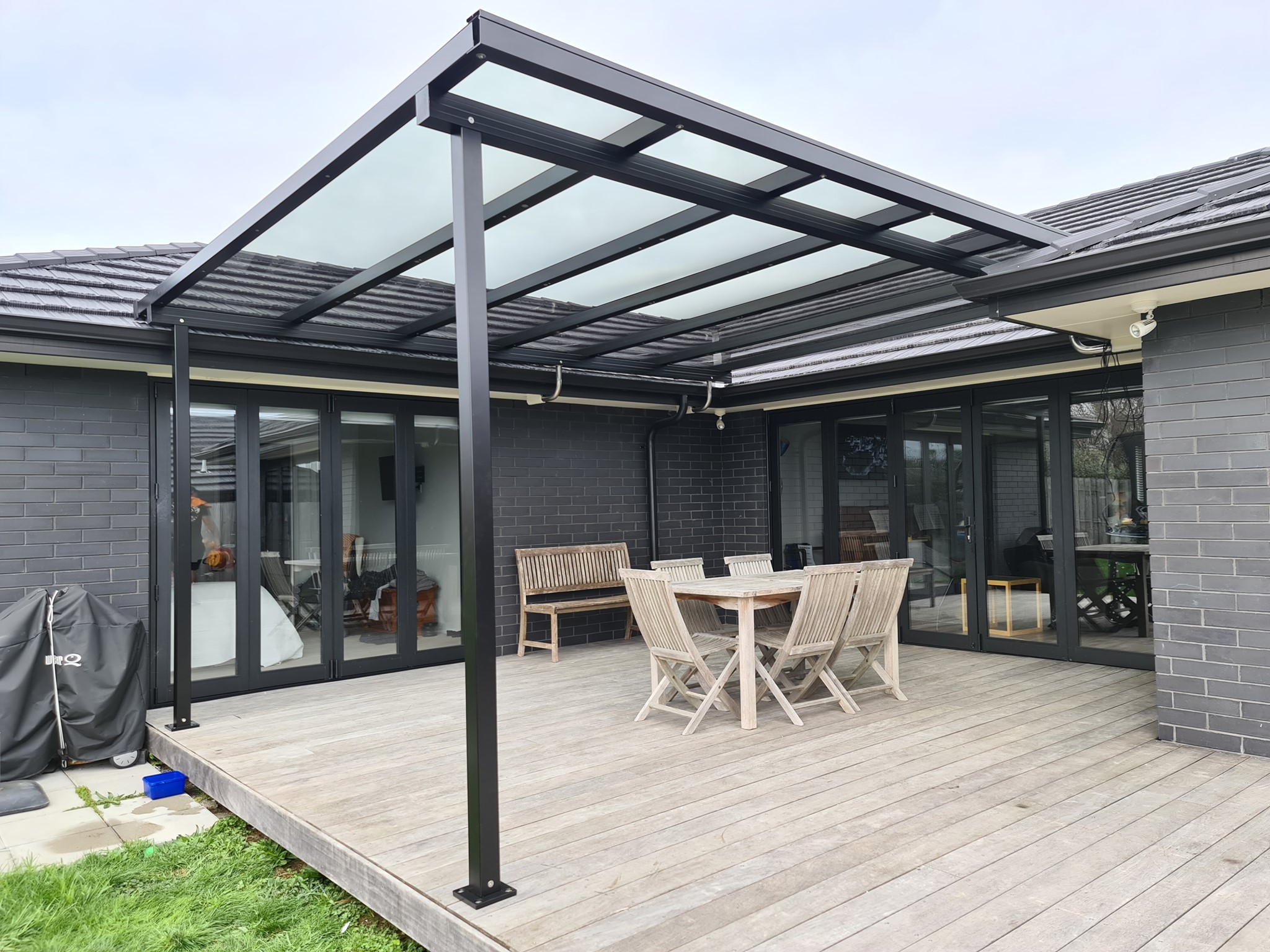
The Usability Equation
At Flexiroof, we've started thinking about outdoor living in a slightly different way.
Instead of asking how impressive an outdoor space looks, we ask how usable it really is.
We've come to believe that the most successful outdoor spaces are built on three simple foundations.
Weather Protection
Can the space still be enjoyed when the weather changes unexpectedly?
Comfort
Is it pleasant to spend time there throughout the day and across different seasons?
Connection
Does it feel like a natural extension of the home, or does it feel separate from everyday life?
When those three elements work together, something interesting happens.
People stop making excuses not to go outside.
They simply use the space.
Again and again.
The Cost Nobody Calculates
Many homeowners invest tens of thousands of dollars creating beautiful outdoor areas.
The deck is carefully designed.
The landscaping is complete.
The outdoor furniture looks fantastic.
Everything is ready.
Yet if the space only works when conditions are perfect, much of that investment quietly sits unused.
Imagine spending the same amount creating a beautiful lounge inside your home, only to lock the door for most of the year.
It sounds ridiculous.
Yet that's effectively what happens with many outdoor spaces.
Not because they're poorly built.
But because they were designed to look good before they were designed to be consistently usable.
Everyday Moments Matter More Than Special Occasions
When we picture outdoor living, we often imagine Christmas lunch, birthday celebrations or summer barbecues.
Those moments are wonderful.
But they aren't what give an outdoor space its greatest value.
Real value comes from ordinary days.
A quiet breakfast before work.
Watching the rain with a cup of tea.
Helping the kids with homework outside.
Reading a book on a Sunday afternoon.
Sharing dinner on a Wednesday evening simply because it's easier than eating indoors.
Those small moments happen far more often than celebrations ever will.
Designing for everyday life changes everything.
A Better Question
Perhaps we've been asking the wrong question all along.
Instead of asking:
"How big should our outdoor area be?"
Maybe we should ask:
"How many more days each year do we want to enjoy living outdoors?"
That question shifts the focus.
It moves the conversation away from construction and towards lifestyle.
Away from cost and towards value.
Away from appearance and towards experience.
Because ultimately, the best outdoor space isn't the one that photographs beautifully.
It's the one your family naturally chooses to use.
A Thought From Flexiroof
At Flexiroof, we believe the success of an outdoor space isn't measured by its size, its cost or even its appearance.
It's measured by how naturally it becomes part of everyday life.
Great outdoor living isn't about waiting for perfect weather.
It's about creating spaces that invite you outside more often, more comfortably and for more of the year.
That's the difference between building a deck...
...and creating another room.
Lighthouse Principle
A beautiful outdoor space has little value if it isn't regularly used.
Looking Ahead
If usability is what transforms an outdoor area into an outdoor room, what actually creates that feeling?
Next week we'll explore the design principles that turn an ordinary outdoor area into a space that genuinely feels like part of the home.
Author: Mike Gray – Flexiroof GM